Cymraeg CY

Welcome to the Celftastig Website


This is a website for practitioners and 11-14 year old learners, with the aim of providing tools and ideas based on activities to inspire the learners to develop the skills of exploring, creating and responding to art. The website is designed around 4 central themes, with an opportunity to look in more detail at the work of around 4 artists under each theme. The activities cover several themes and correspond to various areas of learning and experience in the Curriculum for Wales. These activities are tailored for progression steps 3 and 4 but can be adjusted according to the learner's ability and requirements. You do not need to complete all the activities or follow the order in which they are presented within the themes.

Themes and Artists

Environment

Mary Lloyd Jones, Manon Awst, Tim Pugh a Tim Davies

Identity

Catrin Williams, Lowri Davies a Tomos Sparnon

Culture

Ann Catrin Evans, Mari Thomas, Meinir Mathias a Ruth Jên

Politics

Ifor Davies, Iwan Bala, Neale Howells a Peter Finnemore

There are three sections for each artist.

In the 'Exploring' section, you will find information about the artists in the form of text, pictures, and sound - what inspires them, how exploring through experimentation creates different types of work, along with examples of their work, and the mood and ideas that are conveyed in them.

In the 'Response' section, you will find examples of resources and activities that can be used to develop the learners’ personal response skills to works of art. There is a particular focus on stimulating literacy skills by evaluating and explaining the impact of mood, emotion, and ideas.

In the 'Creating' section, you will find examples of plans and resources that could be used for projects, which experiment with different techniques to emulate the artists' styles. You can either download and print these resources or use them interactively on a device through the Hwb's pdf reader.

Explore and enjoy!
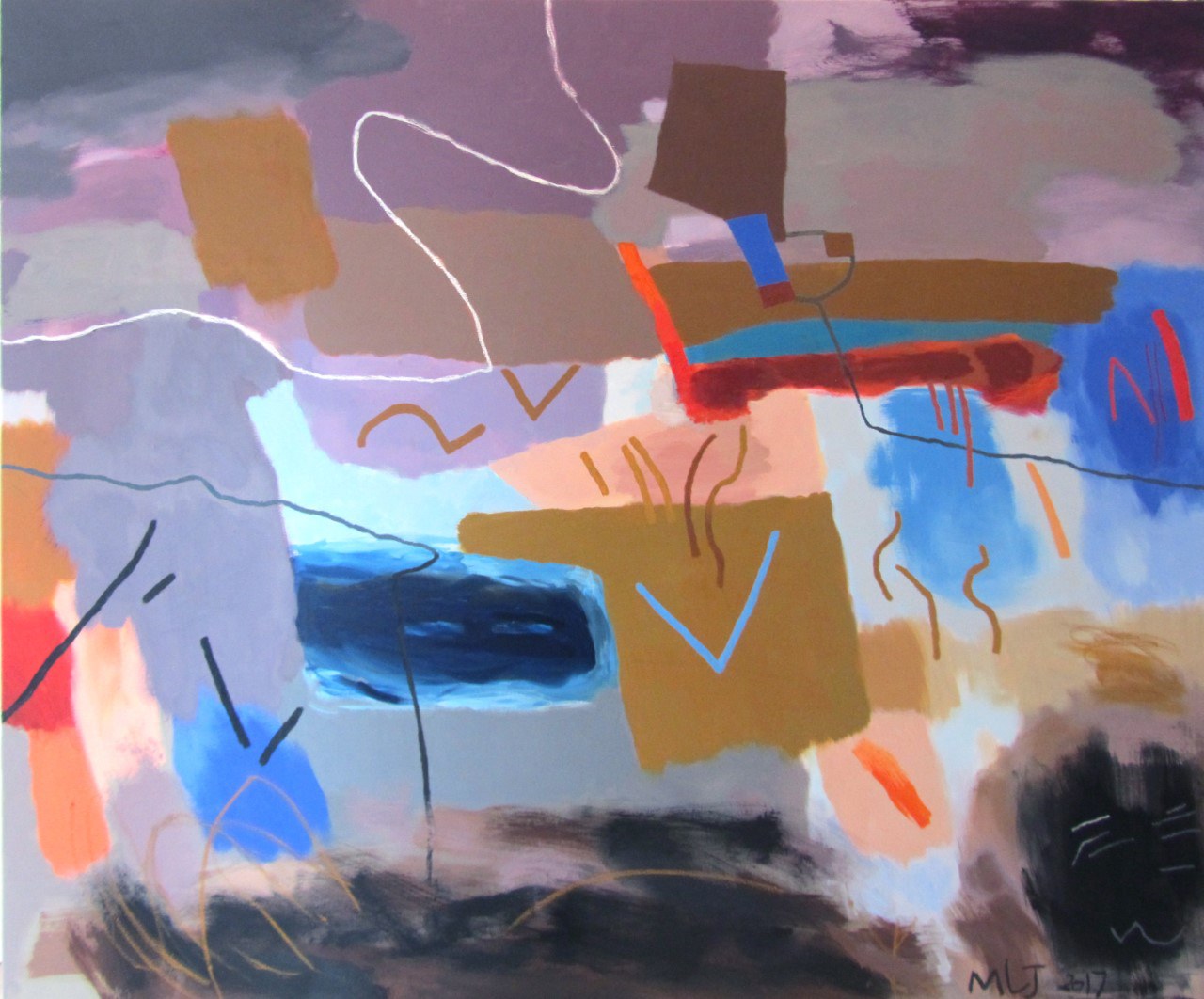
Mary Lloyd Jones

Pwy wyt ti?

Mary Lloyd Jones ydw i.

Ble cest ti dy fagu?

Ces i fy magu yng Ngheredigion.

Pa ddefnyddiau wyt ti’n hoffi eu defnyddio?

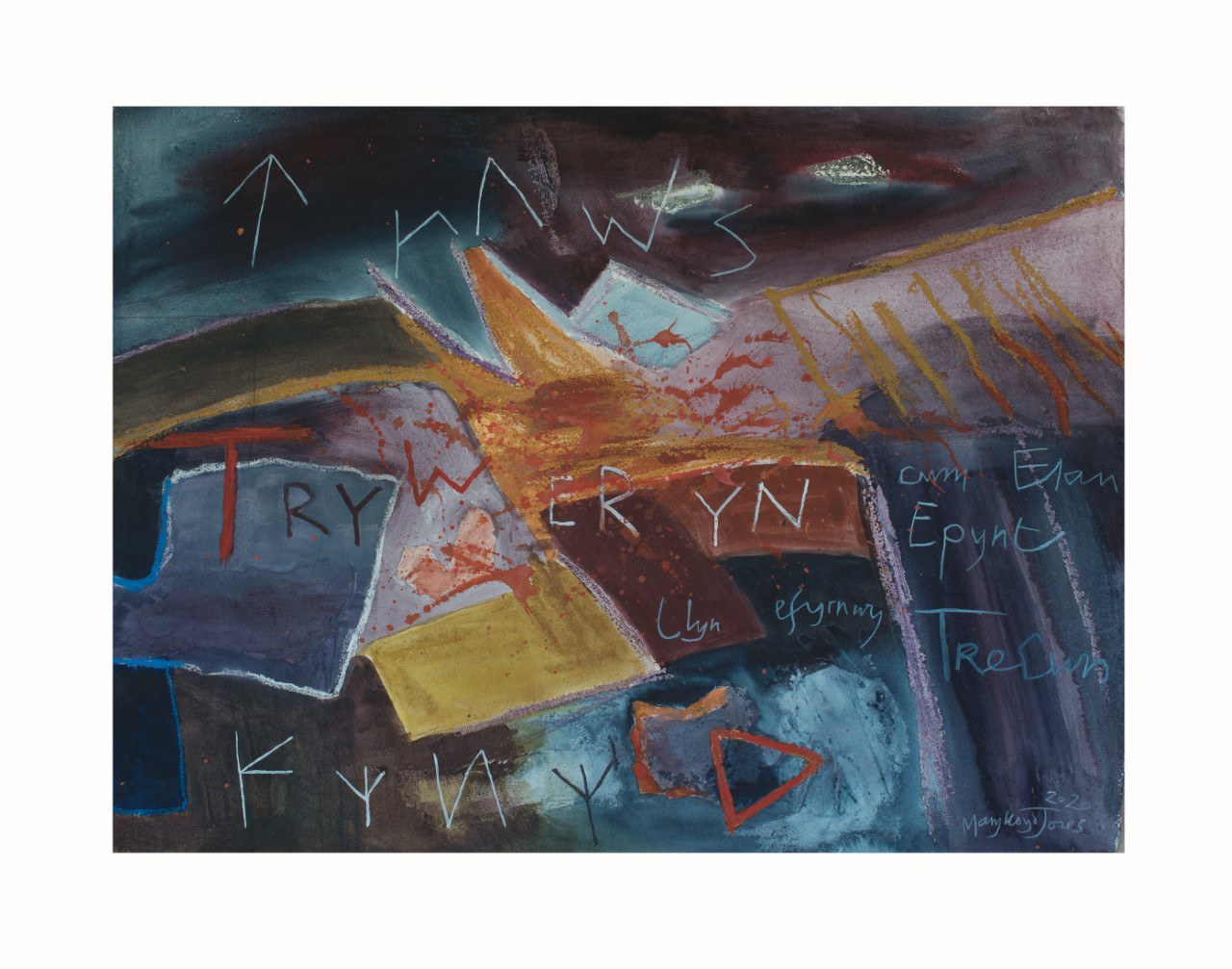
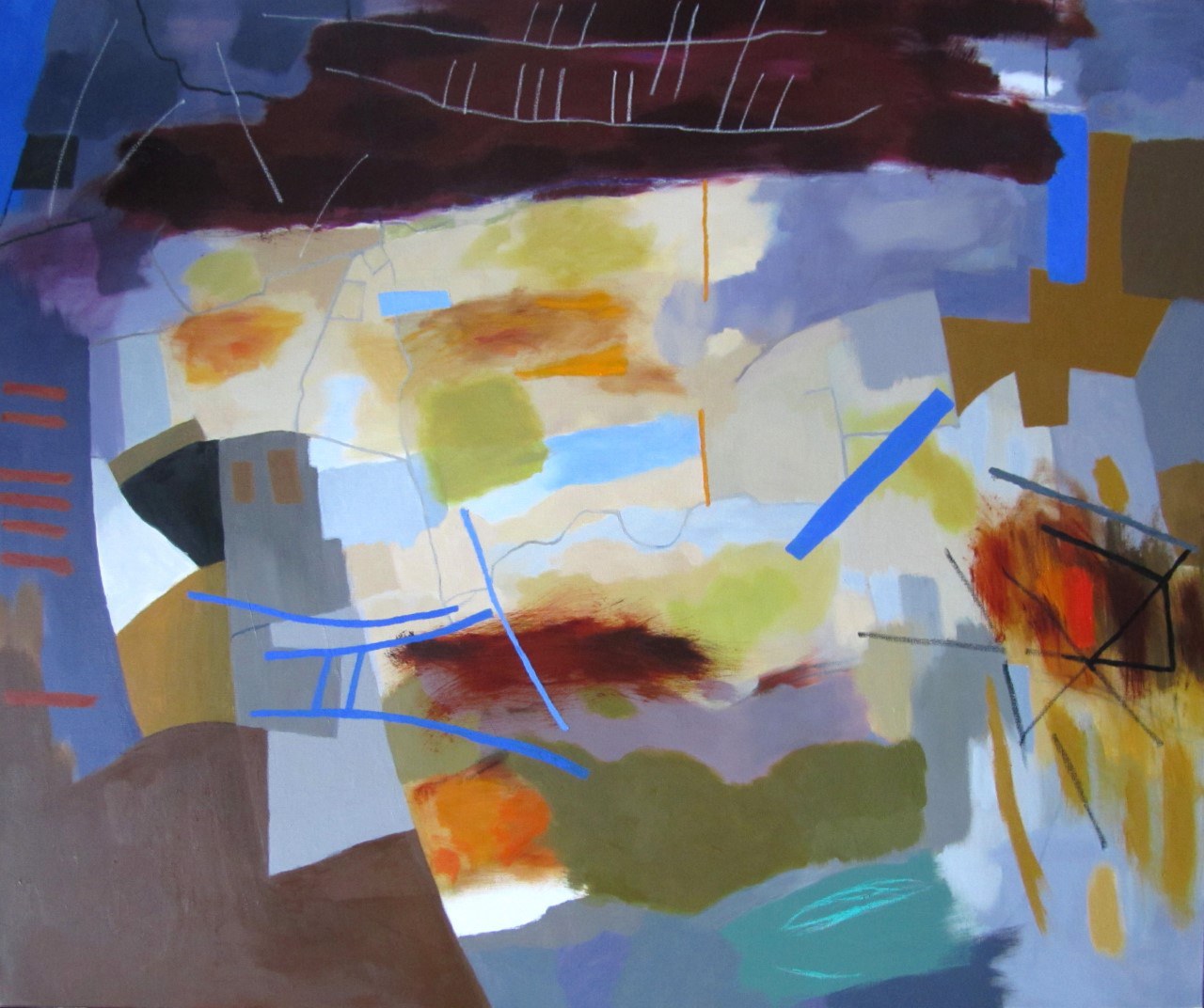
Dw i’n gweithio mewn dyfrliw (watercolour) ar bapur. Dw i’n ychwanegu (add) creon a gwêr (candlewax) neu dywod (tywod = sand) neu grit i greu gwead (texture) diddorol. Ar gynfas, dw i’n hoffi defnyddio paent olew.

Beth sy’n bwysig yn dy waith?

Mae’r byd naturiol yn bwysig i fi.

Hefyd, dw i eisiau dangos fy mod i'n dod o Gymru. Dw i eisiau dangos bod perthynas arbennig (special relationship) gyda fi gyda hanes a chwedlau (legends) a llenyddiaeth (literature) Cymru.

What is your background?

I am Welsh, born in the countryside of Ceredigion to a cultured family with many books. I grew up on a smallholding which kept three cows, one pig and goats. There is no tradition of women having a career outside the house in my family. I was the first person in the family to go to art college. I am one of the first women from this background to have a successful career as a visual artist.

I've exhibited extensively since the mid-sixties, in Wales, the rest of Britain and internationally. In 2008 I received an Honorary Doctorate from the University of Wales. I was one of three artists chosen to exhibit work from Wales in China in 2009. The other two artists were Christine Mills and Iwan Bala. I also contributed to the Wales Smithsonian Festival in Washington DC in 2009. My work reflects my response to special places, history, culture and identity. It’s satisfying that many Welsh people collect my work, and I enjoy getting a positive response to my pieces.

What or who has influenced/inspired you the most?

I am very interested in developments in the Art world at the beginning of the twentieth century: artists such as Henry Mattisse, Kandinsky, and Paul Klee. I enjoy the work of Roger Cecil from Abertillery who died in 2015.

The foundation of the work is a relationship with the natural world, e.g., marks left by mining works; marshes; the shelters and wild places of Ceredigion. History over the centuries and legends associated with special places are also important to me.

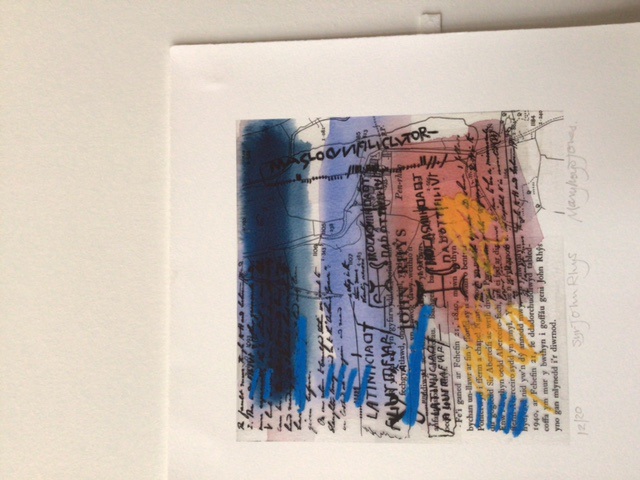
I’ve also been influenced by the philosopher J. R. Jones who made a strong connection between the land and the language associated with it.

I go to special places in the country and quickly makes notes in pencil on 8"x10'' paper. If it’s an interesting idea, I then work in the studio on a larger scale. I will work on pieces for weeks, sometimes months. I sometimes add or change something years later.

Which media/materials do you enjoy using the most?

I work in watercolour on paper. I add crayon and candlewax or sand or grit to create an interesting texture. On canvas, I favour oil paint. In the 1970s and 80s I also used colour on cotton to create a connection with traditional women's work: patchwork and rag mats.

How has your work changed and developed over time? 

Developing personal layered language in response to specific locations is the foundation of my work. My awareness of belonging to a minority nation has grown stronger over the period of over fifty years and has led to many of the expressions present in my recent work. I want to show that I am Welsh, with a special relationship with the history and literature of Wales over the centuries. I use Ogam carvings; early stone age marks; Iolo Morganwg’s bardic alphabet; letters and handwriting, such as the words of Wales' favourite poets. To this, I now add a new perspective based on more recent maps and images taken by drones. Trawsfynydd was used as a firing range for the army from 1903, leaving geometric marks on the landscape. I contrast these marks with Hedd Wyn's words and geological formations.

I've become aware of the work of Professor J. R. Jones and his special book Prydeindod (Britishness). I've borrowed some of his expressions, such as "the fury of separation" and "interpenetration" to emphasize my Welshness in the compositions. Developing a personal language in colour contrast has been central to me for over fifty years.

Complete these activies. Your work will be marked as you go. Remember to take a screenshot of your answers to keep in your personal record.

Activity 1

Activity 2

Remember to take a screenshot of your answers to keep in your personal record.

Vocabulary

cultured - a cultured person knows a lot about art, music, literature, etc.

watercolour - a technique where the paints are mixed with water

Ogam - an old Celtic alphabet dating back to around the 4th century

Iolo Morganwg - a famous eighteenth-century Welsh poet who created an alphabetic system, claiming that it was the alphabet of the old Welsh poets

the fury of separation - the anger we feel when we are separated from something

interpenetration - the idea that something becomes a part of us

compositions - pieces which have been created e.g., pieces of art