Cymraeg CY

Welcome to the Celftastig Website


This is a website for practitioners and 11-14 year old learners, with the aim of providing tools and ideas based on activities to inspire the learners to develop the skills of exploring, creating and responding to art. The website is designed around 4 central themes, with an opportunity to look in more detail at the work of around 4 artists under each theme. The activities cover several themes and correspond to various areas of learning and experience in the Curriculum for Wales. These activities are tailored for progression steps 3 and 4 but can be adjusted according to the learner's ability and requirements. You do not need to complete all the activities or follow the order in which they are presented within the themes.

Themes and Artists

Environment

Mary Lloyd Jones, Manon Awst, Tim Pugh a Tim Davies

Identity

Catrin Williams, Lowri Davies a Tomos Sparnon

Culture

Ann Catrin Evans, Mari Thomas, Meinir Mathias a Ruth Jên

Politics

Ifor Davies, Iwan Bala, Neale Howells a Peter Finnemore

There are three sections for each artist.

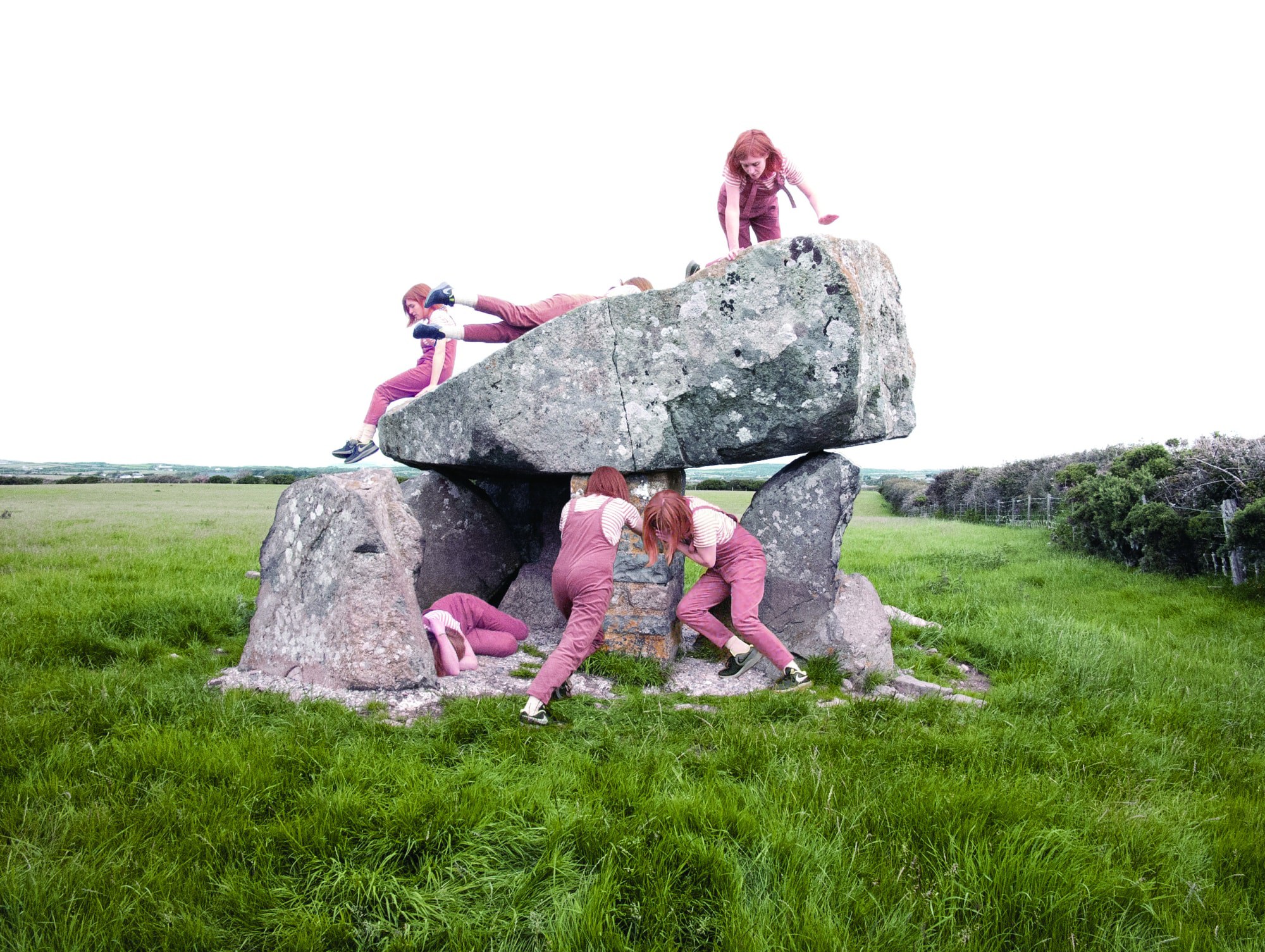
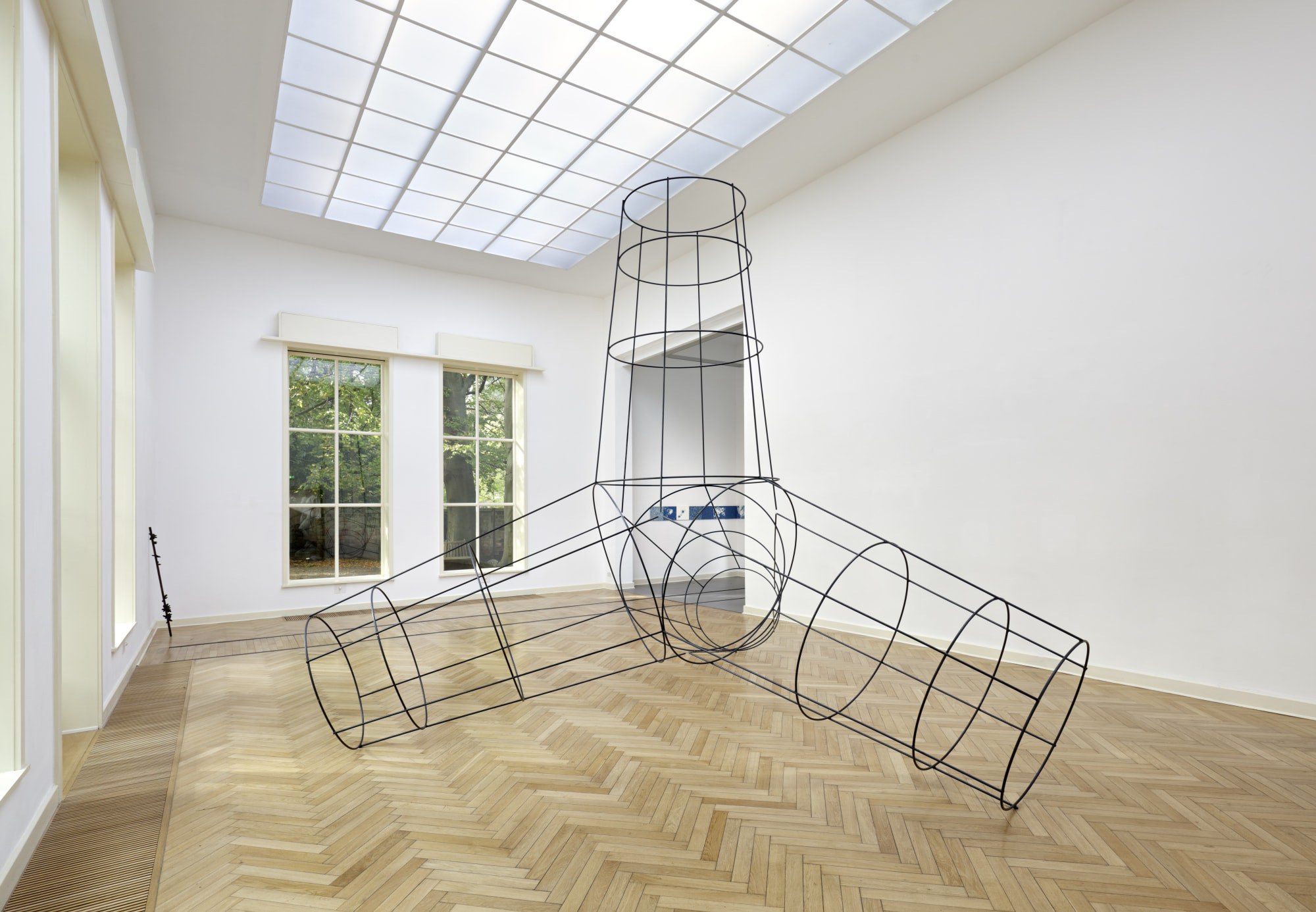
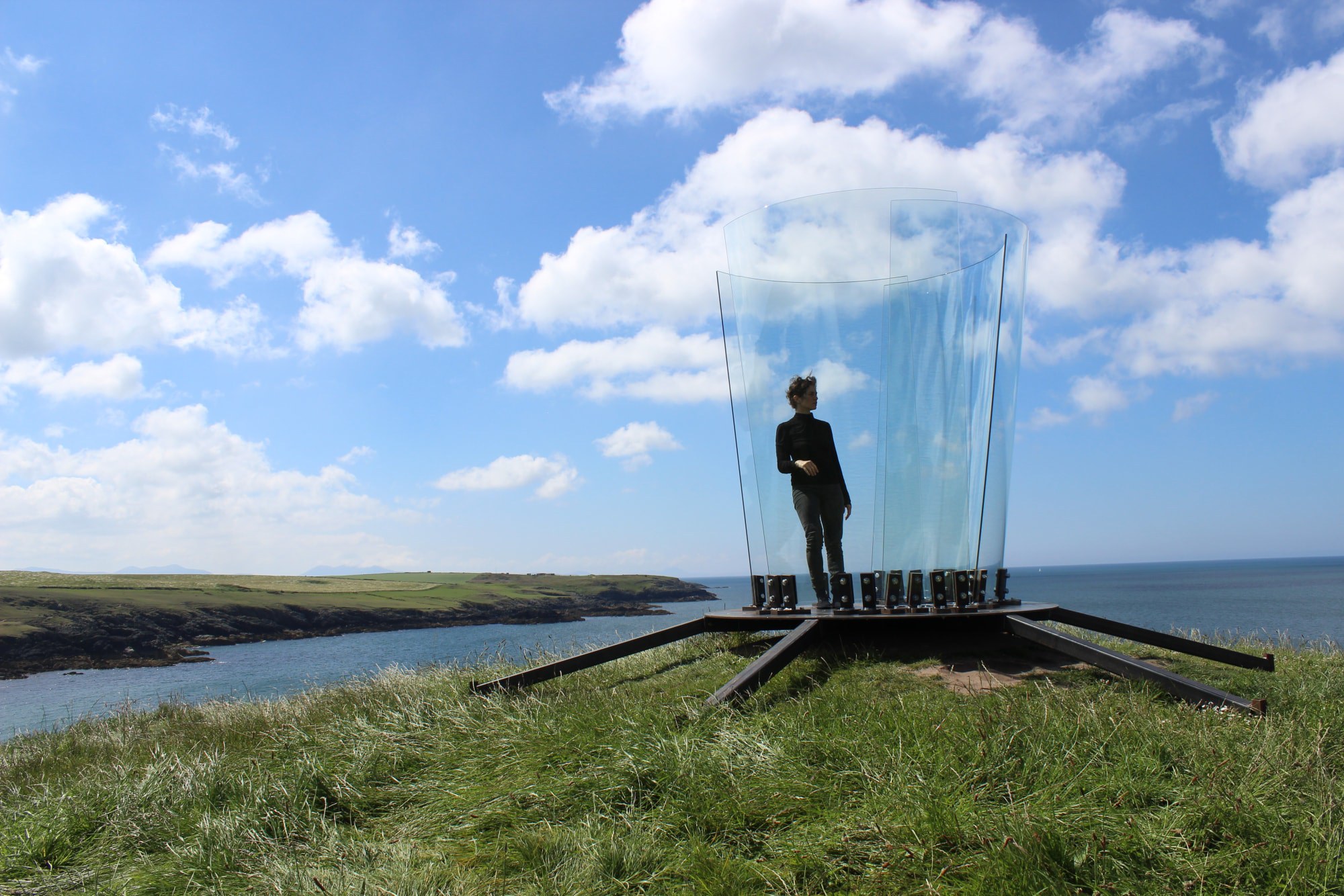
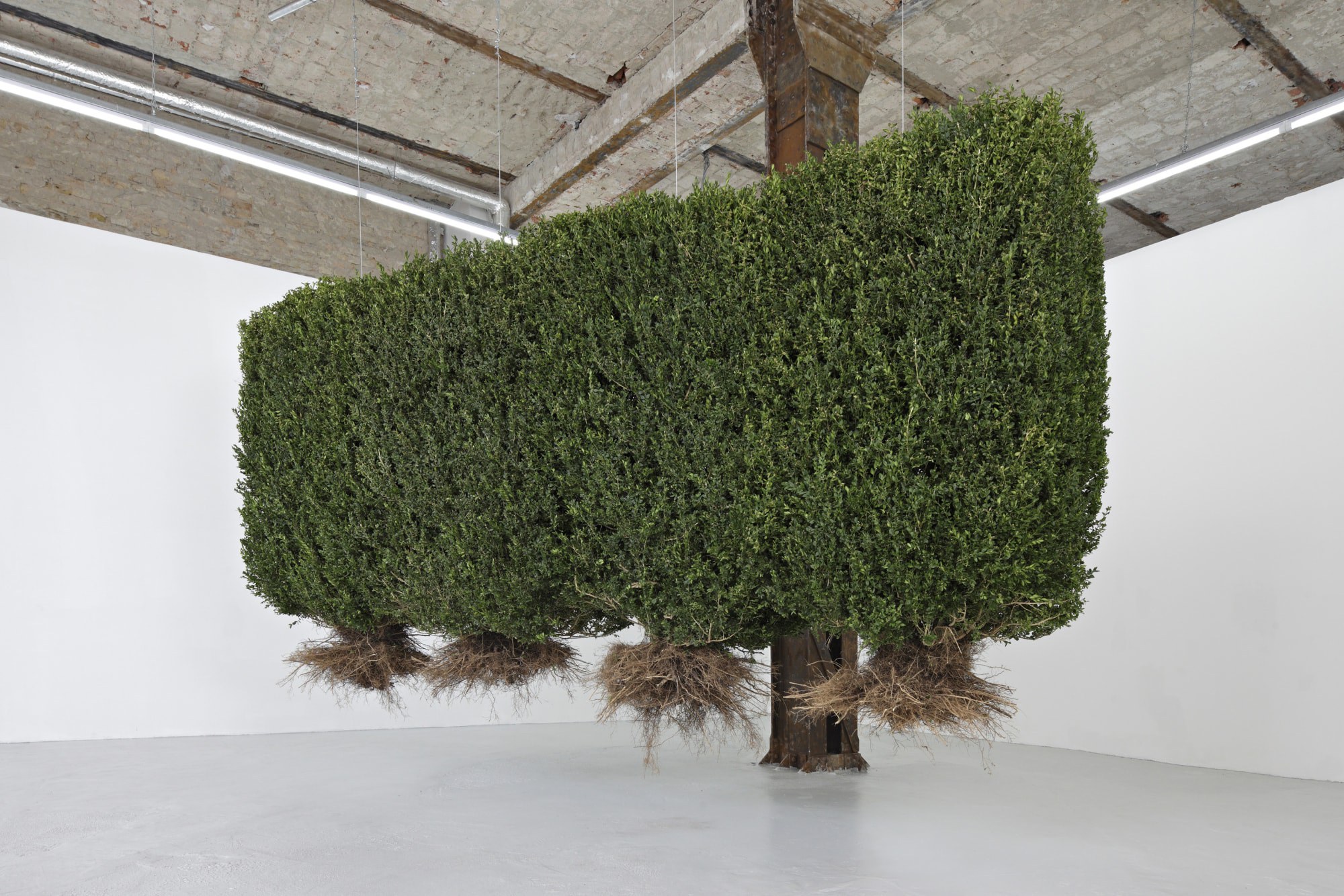
In the 'Exploring' section, you will find information about the artists in the form of text, pictures, and sound - what inspires them, how exploring through experimentation creates different types of work, along with examples of their work, and the mood and ideas that are conveyed in them.

In the 'Response' section, you will find examples of resources and activities that can be used to develop the learners’ personal response skills to works of art. There is a particular focus on stimulating literacy skills by evaluating and explaining the impact of mood, emotion, and ideas.

In the 'Creating' section, you will find examples of plans and resources that could be used for projects, which experiment with different techniques to emulate the artists' styles. You can either download and print these resources or use them interactively on a device through the Hwb's pdf reader.

Explore and enjoy!
Manon Awst

Pwy wyt ti?

Manon Awst ydw i.

Ble cest ti dy fagu?

Ces i fy magu yn Sir Fôn, gogledd Cymru.

Ble cest ti dy addysg?

Es i Ysgol Bodedern. Wedyn, es i i Goleg Menai a Phrifysgol Caergrawnt (Cambridge). Yng Nghaergrawnt, astudiais i (I studied) bensaernïaeth (pensaernïaeth = architecture).

Pa ddefnyddiau (materials) wyt ti’n hoffi defnyddio?

Mae hyn yn amrywio (varies) llawer. Mae’n dibynnu (depends) ar y project. Dros y blynyddoedd, dw i wedi defnyddio pren (wood), metel, gwydr, cerrig, concrid, rhew, gelatin, grawnwin, cregyn (shells), gwrychoedd (hedges) a phridd (pridd - soil).

Beth ydy dy ‘broses’ di?

Dw i’n datblygu (develop) syniadau i ddechrau. Dw i’n meddwl am bynciau (pynciau = subjects) diddorol. Hefyd, dw i’n meddwl pwy sy’n mynd i weld y gwaith. A ble bydd y gwaith – mewn oriel (gallery) neu tu allan (outside)?

Dw i’n defnyddio llyfrau braslunio (sketchbooks). Dw i hefyd yn casglu (collect) delweddau (images).

Pan dw i’n creu (create) y gwaith, rhaid i fi feddwl oes angen help. Er enghraifft, os dw i’n gwneud gwaith mawr a chymhleth (cymhleth = complicated), dw i’n cael help gan gof (blacksmith) neu saer (carpenter). Neu os dw i’n gwneud ffilm, dw i'n cael help rhywun i wneud trac sain (soundtrack).

What is your background?

I grew up on Anglesey and attended Bodedern High School before doing an Art and Design Foundation course for a year at Coleg Menai, Bangor. I really enjoyed art from the start of secondary school, but also liked the science subjects. I studied Art, Biology and Maths at A-level and decided I wanted to study Architecture at university. Before going to Cambridge University to do so, the Foundation course gave me the opportunity to experiment with different styles and materials, as well as gaining confidence when discussing concepts and art history. I worked with the German artist Benjamin Walther under the name 'Awst & Walther' for ten years between 2007 and 2017, and we divided our time between Caernarfon and Berlin.

What or who has influenced/inspired you the most?

Land Art artists who explored the relationship between a specific landscape or site, and art in the 60s e.g., Richard Long, Robert Smithson, Nancy Holt and Joseph Beuys. They were very playful with materials and forms and pushed the boundaries of art by taking it out of galleries and museums and creating large scale or even architectural work. They used the land or soil or stones as raw materials in their art and tried to change people's perspective about the world around them. More recently, artists such as Olafur Eliasson, Pierre Huyghe, Roni Horn (and I through the work of Awst & Walther) are developing the same themes but in a contemporary context. This is extremely important in my opinion, considering the ecological crisis, global warming and related social problems.

I like simplicity in design. I try to show the character of raw material in the design by expanding natural organic features and including fine details in a piece of art. I love the idea of ​​having beautiful objects around us. I enjoy the process of designing with this in mind and creating an abstract form that conveys a story or a narrative or a feeling.

Explain the process that you follow when creating a piece of art. 

I start by developing ideas: thinking about topics that interest me, and what I want to say with the piece. Who is the audience, and what effect will the piece have on those who see it? Where will it be displayed – in a gallery or in the open air? What kind of funding is available for creating the piece? All of this affects the uses and form of the art piece e.g., sculpture / installation / film / performance.

I use sketchbooks a lot - making notes and sketches of different pieces and various versions of them. I also collect images and paste them in. This is how I gather ideas.

Finally, the creation itself – can I create the piece myself in the studio, or do I need the help of a technician? It often depends on the materials and the size of the piece e.g., if I'm creating a film, I can do a lot of the work myself, but I might want a musician to compose a soundtrack. If the piece is large and complex out of metal or wood, I will need to work with a blacksmith or carpenter.

Which media/materials do you enjoy using the most?

This varies a lot, and I don't limit myself to one palette of materials but use a wide range depending on the project. Over the years I have used wood, metal, glass, stones, concrete, ice, gelatine, grapes, shells, hedges, and soil. I believe that it’s important to be open-minded about materials, to be able to choose what is most relevant at the time, and constantly look for new, interesting uses.

How has your work changed and developed over time?

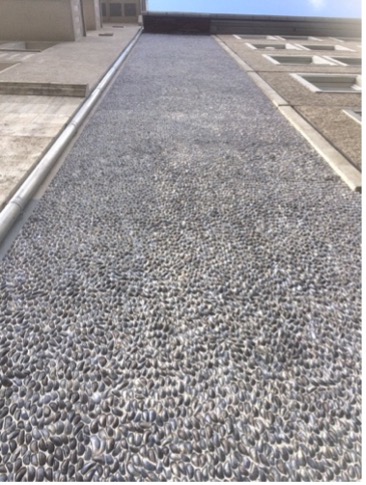
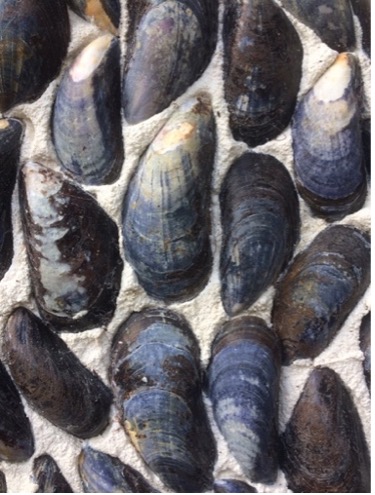
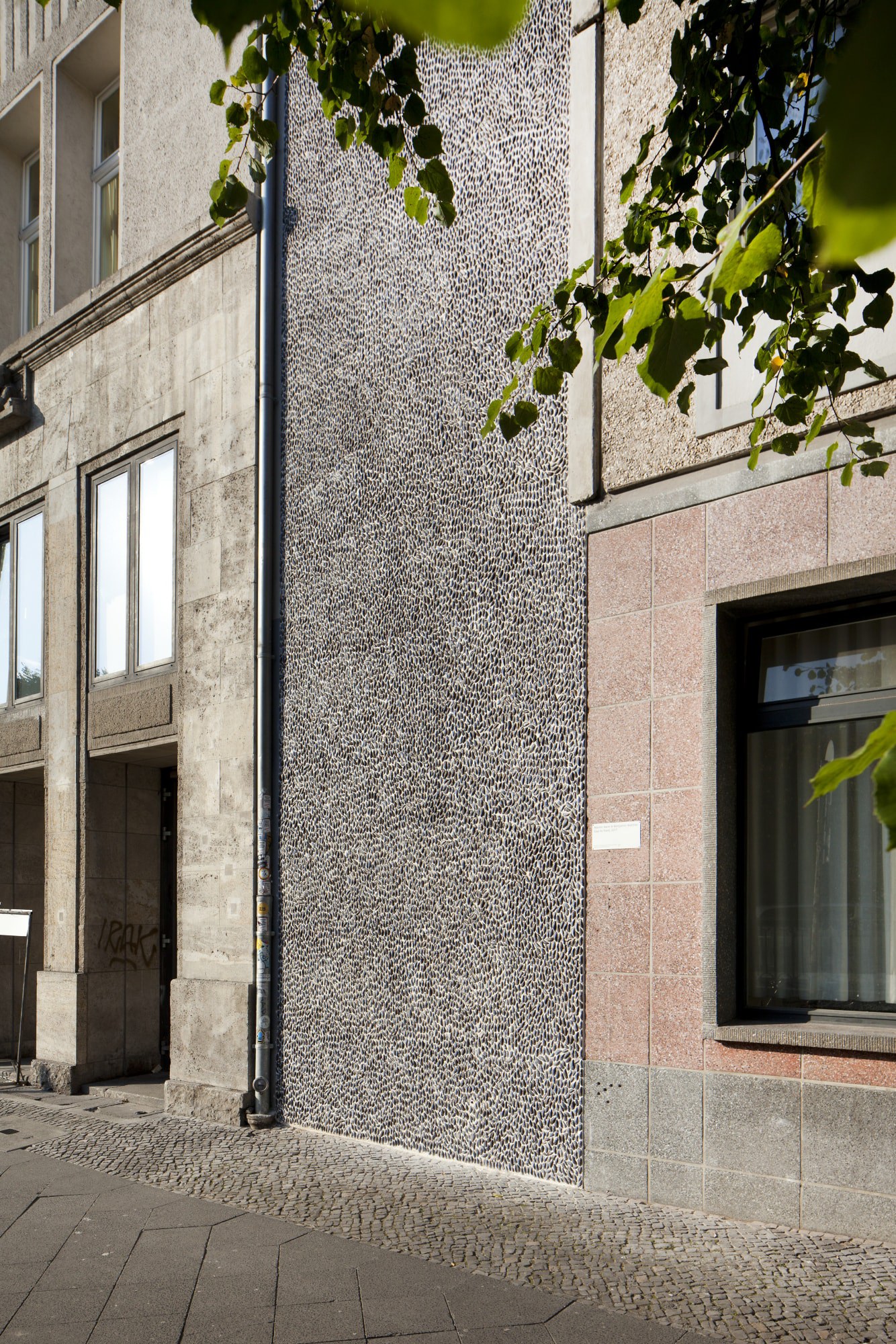
Through exhibiting my work in different cities over the years (including Cardiff, London, Berlin, Prague, Basel and Moscow), I have become much more confident and ready to express my identity in the work. I am Welsh, with my unique way of looking at the world around me. It’s an amazing experience to walk down a street in the centre of Berlin and see a huge installation of mussels that I collected on the banks of the Menai Straits. It's important to hold on to what interests and excites you, and celebrate what makes you unique, because every artist has their own personal story to share with the world.

Complete these activies. Your work will be marked as you go. Remember to take a screenshot of your answers to keep in your personal record.

Activity 1

marine
blue
wavy
detailed
tall
shells
wall
Berlin
building
installation

Activity 2

Remember to take a screenshot of your answers to keep in your personal record.

Vocabulary

architecture - the art of designing buildings

concept(s) - abstract idea(s)

architectural work - work that involves the art and technique of designing and building

contemporary context - circumstances that are relevant today

abstract form - a form that doesn't try to represent external reality, but conveys meaning uses shapes, colours, and textures instead

installation - a large scale piece of 3D art that is often designed for a specific place

identity - our sense of who we are as individuals and as members of social groups; it also refers to our sense of how others may see and label us