Cymraeg CY

Welcome to the Celftastig Website


This is a website for practitioners and 11-14 year old learners, with the aim of providing tools and ideas based on activities to inspire the learners to develop the skills of exploring, creating and responding to art. The website is designed around 4 central themes, with an opportunity to look in more detail at the work of around 4 artists under each theme. The activities cover several themes and correspond to various areas of learning and experience in the Curriculum for Wales. These activities are tailored for progression steps 3 and 4 but can be adjusted according to the learner's ability and requirements. You do not need to complete all the activities or follow the order in which they are presented within the themes.

Themes and Artists

Environment

Mary Lloyd Jones, Manon Awst, Tim Pugh a Tim Davies

Identity

Catrin Williams, Lowri Davies a Tomos Sparnon

Culture

Ann Catrin Evans, Mari Thomas, Meinir Mathias a Ruth Jên

Politics

Ifor Davies, Iwan Bala, Neale Howells a Peter Finnemore

There are three sections for each artist.

In the 'Exploring' section, you will find information about the artists in the form of text, pictures, and sound - what inspires them, how exploring through experimentation creates different types of work, along with examples of their work, and the mood and ideas that are conveyed in them.

In the 'Response' section, you will find examples of resources and activities that can be used to develop the learners’ personal response skills to works of art. There is a particular focus on stimulating literacy skills by evaluating and explaining the impact of mood, emotion, and ideas.

In the 'Creating' section, you will find examples of plans and resources that could be used for projects, which experiment with different techniques to emulate the artists' styles. You can either download and print these resources or use them interactively on a device through the Hwb's pdf reader.

Explore and enjoy!
Mari Thomas

Pwy wyt ti?

Mari Thomas ydw i.

Ble cest ti dy fagu?

Astudiais i (I studied) Lefel A Celf (Art). Wedyn, astudiais i gwrs lefel Sylfaen (Foundation) mewn Celf a Dylunio (Design), Diploma Cenedlaethol Uwch mewn gemwaith (jewellery) a gof arian (silversmithing) a gradd (degree) mewn Dylunio 3D mewn Metel yn Ysgol Gemwaith Birmingham.

Pa ddefnyddiau wyt ti’n hoffi eu defnyddio?

Dw i'n hoffi gweithio gyda metelau gwerthfawr (valuable) - aur, arian a phlatinwm. Dw i wrth fy modd (I love) hefyd gyda cherrig gwerthfawr (valuable stones) o bob lliw.

Beth ydy dy ‘broses’ di?

Dw i’n dechrau gyda braslun (sketch), a dw i'n gwneud nodiadau a thynnu lluniau. Mae’r syniadau (ideas) ar gyfer gwaith yn datblygu (develops) o'r rhain (these).

Oes cyngor gyda ti i artist newydd?

Rydych chi'n dysgu rhywbeth o bob prosiect rydych chi'n wneud. Dydych chi byth yn stopio dysgu.

What is your background?

I have a background in art, having studied it at A Level, as well as Foundation Level in Art and Design, Higher National Diploma in Jewellery and Silversmithing, and a degree in Three Dimensional Metal Design at the School of Jewellery in Birmingham. In 1998, three years after graduating, I started a jewellery business in my parent’s garden in Llanelli, before moving to a workshop and shop in Swansea. I now have a workshop and gallery in Llandeilo.

What or who has influenced/inspired you the most?

I am inspired and influenced by many things. I love to travel, particularly to Italy and Japan - two very different places, but for me they are visually and culturally exciting. I am inspired by the work of other designers who push boundaries. These include the clothes of designer Vivienne Westwood and the architecture of Zaha Hadid. My creative path was influenced from the beginning by an art teacher from my comprehensive school. His name was Norman Davies who has now sadly passed, but he was so enthusiastic and supportive of his students that most of us are still working as artists today. He taught us to question, and would ask why we would make that mark or that shape, what were our thoughts behind it - this is the foundation of my design process today.

Explain the process that you follow when creating a piece of art.

I find inspiration from things that interest me things. I love to sketch, make notes and take photographs, and the ideas for my work develop from these. Depending on the piece of work or subject matter, I sometimes start with a rough sketch or some notes based on a vague idea and start experimenting and playing with materials. This allows the materials to almost determine the final outlook of the piece - for example, if the silver stretches and splits as I layer it and push it to extremes, I will embrace and often highlight it to become an intrinsic part of the design. This cannot be forced and it’s wonderful when it happens. Sometimes, however, if the design requires, I will meticulously plan and problem solve the piece and its construction before I start to physically work on it. I then follow the design as I’ve pre-planned. I always love the final process of finishing or polishing as there is a sense of achievement, but then there is no such thing as perfection, so it’s important to work out when to stop before polishing it and ruining it all.

Which media/materials do you enjoy using the most?

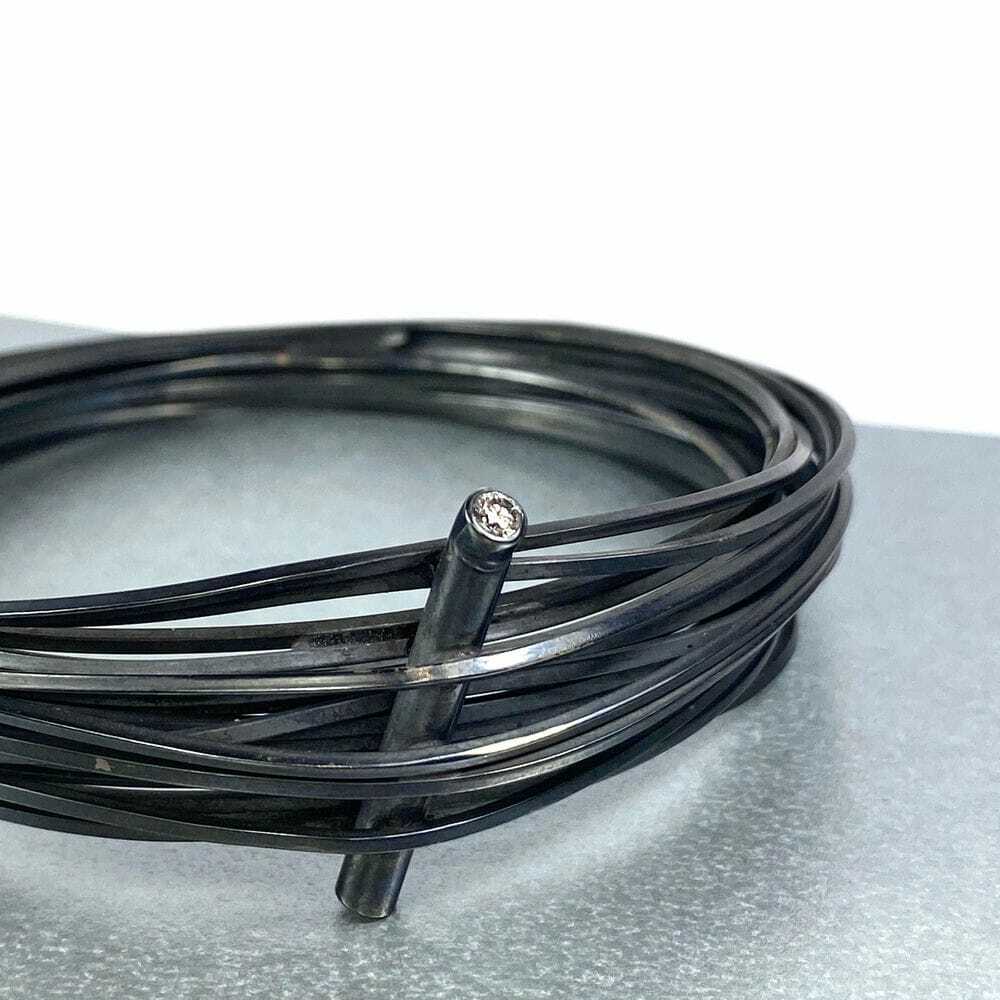
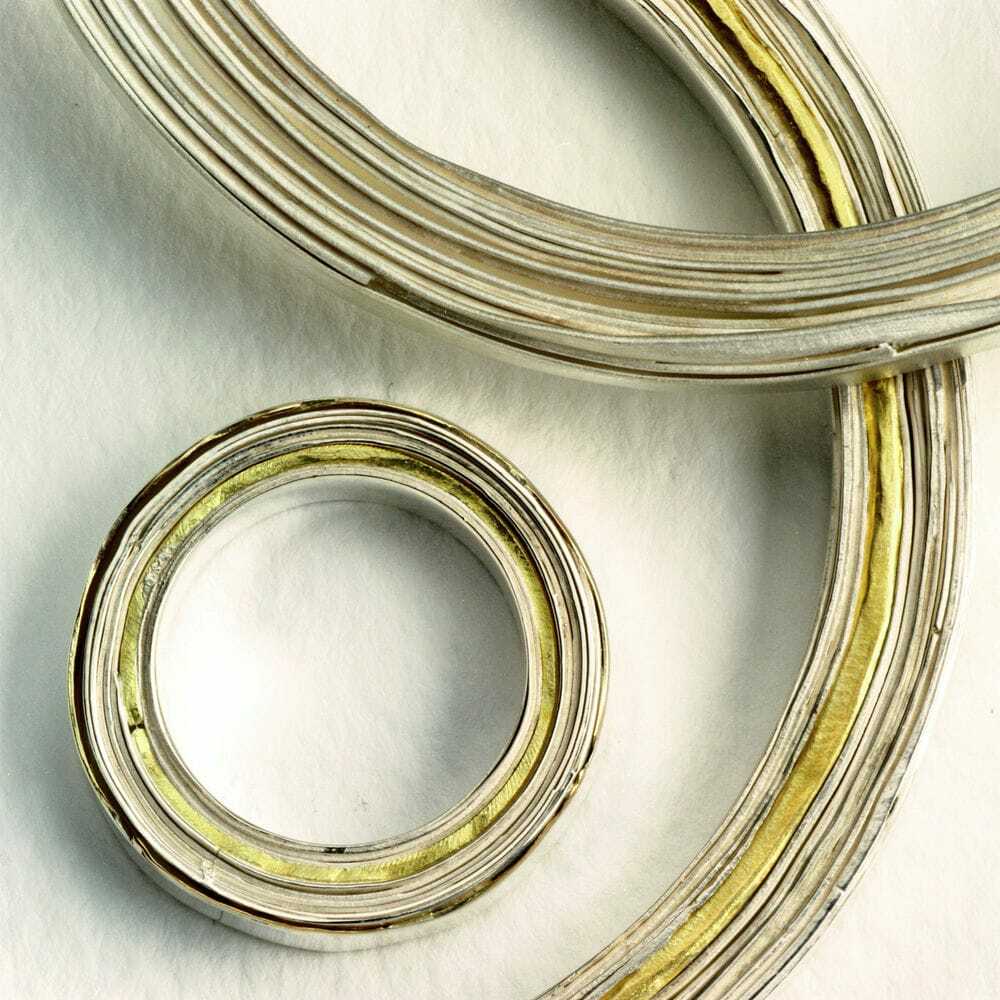
I love working in all precious metals, gold, silver and palladium. They each respond slightly differently when the metal is cut or moved and shaped or joined, so my favourite way of working is when the material influences the final look of the piece. Coloured golds really fascinate me. Gold is of course yellow, but it is alloyed with other metals to make it more durable to wear, which is why we have the UK standards of 9ct, 19ct, 22ct etc. We are used to seeing it alloyed to keep it as yellow as possible but change the recipe and you have an array of colours - add more copper and the appearance is a rose or red gold, while the addition of silver and palladium make it white. I’m currently experimenting with an aluminium allow which tinges the gold purple.

As well as the metals I use, I also love playing with precious and semi-precious stones of all colours and mixing them with complimentary metals. However, if I want sparkle in my designs it has to be diamonds.

How has your work changed and developed over time?

The change in my work over time can be seen and traced through all my collections and commissions - it is inevitable as I am constantly evolving, growing and learning. I still produce some of the collections I started making straight from university as they have remained timeless in design and just as popular with my customers as they were at the beginning. I may have tweaked them slightly but for the most part they are the same and I can trace them back to exact sketches I made in university.

My starting point is always something I am interested in, a subject I want to explore, study, question, redefine and reimagine.

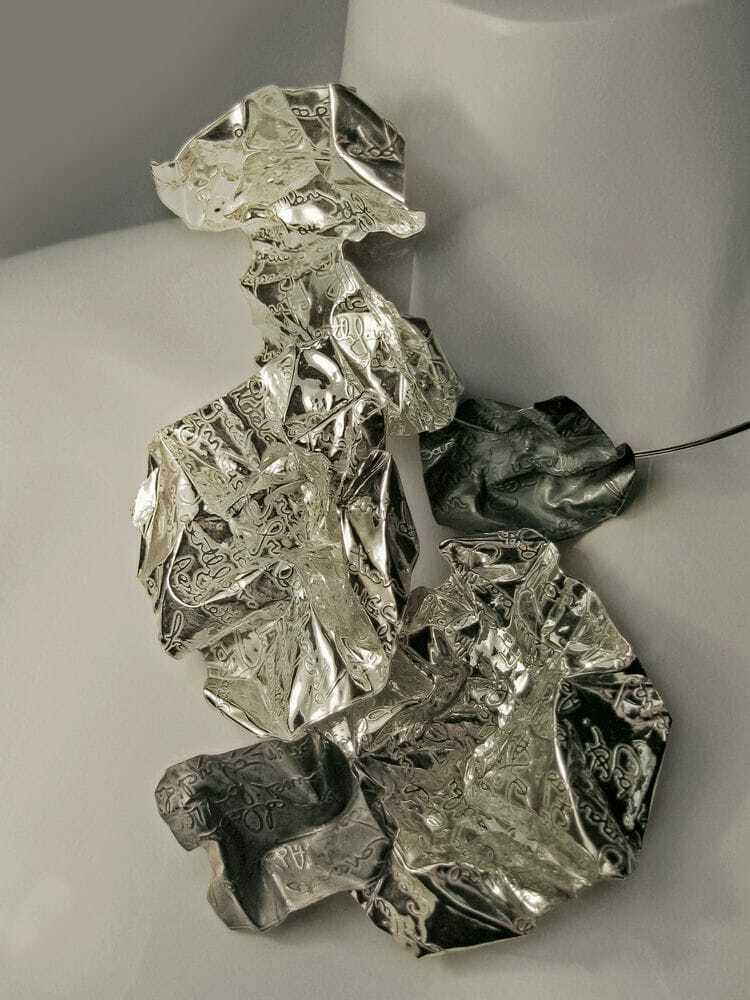
For me it was about identity, my own Welsh identity as a non-Welsh speaker from Llanelli. What did Wales mean to me and how did I relate to my surroundings and my culture, and how did this sit with the popular images of Wales that are presented globally? I wanted to change the narrative and create work I could relate to, so I designed pieces that were rugged like parts of the beautiful landscape, layers and details that were like the rocks and slate. Layering the metal represents the structure of slate found in Wales but for me it referenced the constant questioning of what was beneath the surface.

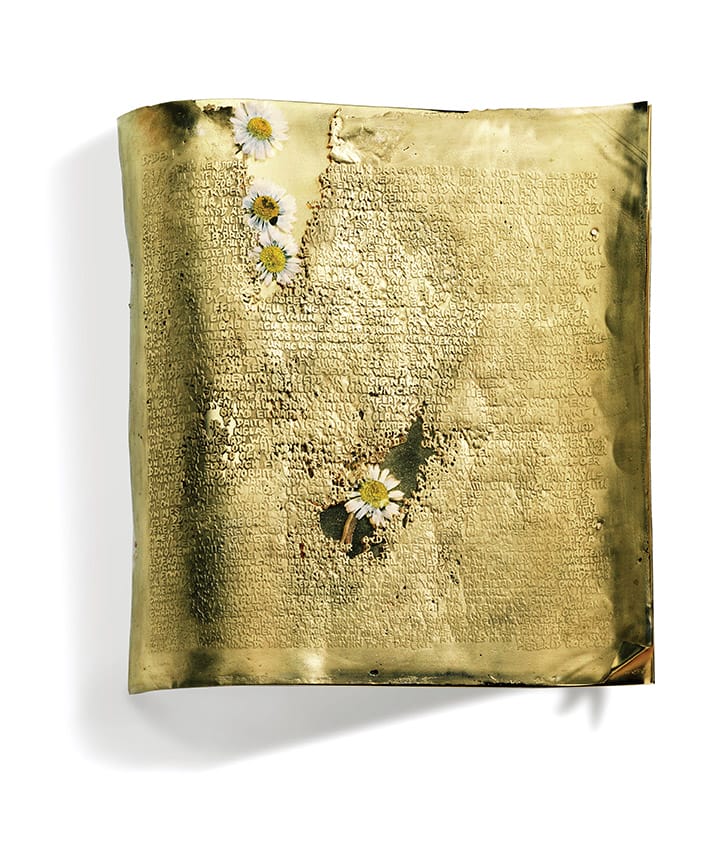
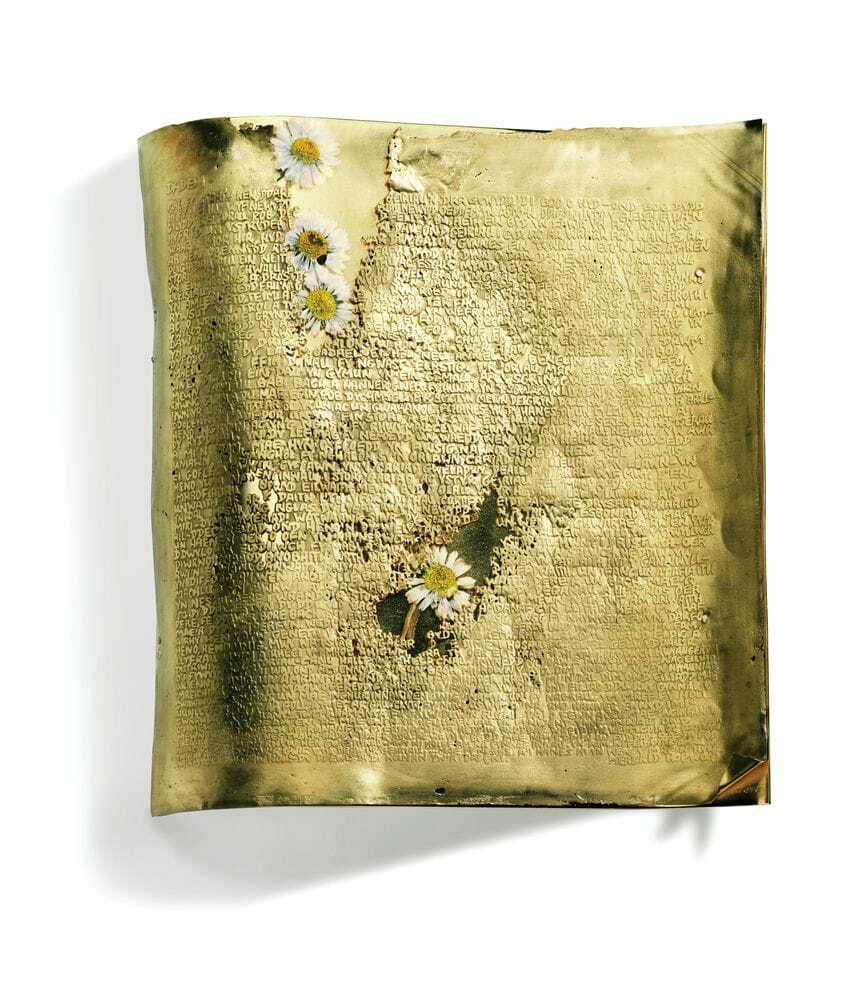
Words in Welsh (and sometimes English) are always written in relief and in my own handwriting. This makes it personal but also words are powerful, as their meaning or the feeling behind them is sometimes lost through time or translation. I therefore wanted to add this connection so that they can be touched and felt, allowing the wearer to add their own story to the pieces.

Complete these activies. Your work will be marked as you go. Remember to take a screenshot of your answers to keep in your personal record.

Activity 1

“I love working in all precious metals, gold, silver and palladium. They each respond slightly differently when the metal is cut or moved and shaped or joined, so my favourite way of working is when the material influences the final look of the piece. Coloured golds really fascinate me. Gold is of course yellow, but it is alloyed with other metals to make it more durable to wear, which is why we have the UK standards of 9ct, 19ct, 22ct etc. We are used to seeing it alloyed to keep it as yellow as possible but change the recipe and you have an array of colours - add more copper and the appearance is a rose or red gold, while the addition of silver and palladium make it white. I’m currently experimenting with an aluminium allow which tinges the gold purple. ”
gold
gold
+ copper
gold
+ silver
+ palladium
gold
+ aluminum

Activity 2

Fragile Form 2
“Words in Welsh (and sometimes English) are always written in relief and in my own handwriting. This makes it personal but also words are powerful, as their meaning or the feeling behind them is sometimes lost through time or translation. I therefore wanted to add this connection so that they can be touched and felt, allowing the wearer to add their own story to the pieces. ”

Remember to take a screenshot of your answers to keep in your personal record.

Vocabulary

silversmithing - making craft objects from silver

intrinsic - naturally belonging to something

meticulously - very thoroughly, giving great attention to detail

palladium - a rare silvery-white metal

to alloy - to mix metals

durable - able to withstand wear, pressure, or damage; hard-wearing.

redefine - to define something again or define it differently

identity - our sense of who we are as individuals and as members of social groups; it also refers to our sense of how others may see and label us

narrative - story

relief - a sculptural method where the sculpted pieces are attached to a solid background of the same material